
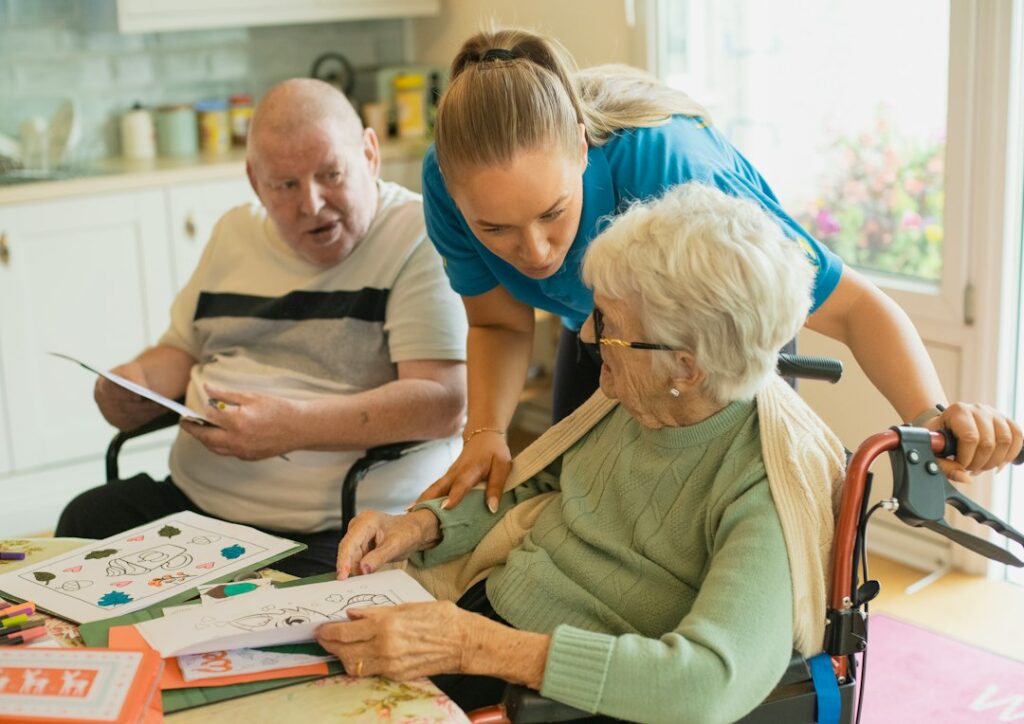
Assisted living can help older adults remain as independent as possible while receiving support with everyday tasks, personal care, meals, medication routines, and social connection. It is generally intended for people who no longer manage safely or comfortably at home but do not need the continuous medical care provided by a nursing facility.
For families in Perkasie, deciding whether assisted living is appropriate often involves more than evaluating a single health concern. Changes in mobility, memory, nutrition, household maintenance, transportation, or social connection may all influence the decision.
What does assisted living provide?
Assisted living typically combines private or semi-private housing with support services. The exact offerings vary, but common services include:
- Assistance with bathing, dressing, grooming, and toileting
- Help with walking, transferring, or using mobility equipment
- Medication reminders, management, or coordination
- Regular meals and support with special diets
- Housekeeping and laundry
- Transportation or arranged rides for appointments and errands
- Organized activities and opportunities for social interaction
- Staff availability for routine needs and emergencies
In Pennsylvania, assisted living residences and personal care homes are licensed and regulated by the state. These settings are different from nursing homes, which provide a higher level of skilled medical and rehabilitative care. An assisted living residence may also arrange supplemental health services as a resident’s needs change.
Can assisted living help someone remain independent?
Yes. Independence does not always mean living alone or handling every task without help. For many older adults, independence means having choices, maintaining familiar routines, and participating in decisions about daily life.
Assistance with a few difficult tasks can preserve energy for activities that matter more. For example, a resident may need help with showering and medication reminders but still choose clothing, attend activities, manage personal spending, and decide how to spend the day.
A supportive setting may also reduce the pressure of household responsibilities such as snow removal, lawn care, grocery shopping, cooking, and home repairs. This can be especially useful during winter conditions, when ice, snow, and reduced daylight can make outdoor tasks more hazardous.
How can assisted living improve safety?
A safer environment is one of the most common reasons families explore assisted living. Homes may contain stairs, loose rugs, poor lighting, narrow hallways, or bathrooms that are difficult to use safely. Assisted living residences are designed and maintained with older adults’ mobility needs in mind, although no setting eliminates all risks.
Potential safety benefits include:
- Faster access to help after a fall or sudden illness
- Fewer household hazards and maintenance responsibilities
- Better lighting, handrails, and accessible bathrooms
- Regular observation of changes in health or behavior
- Support with transfers, walking, and nighttime needs
- Emergency procedures and trained staff
Falls are not an unavoidable part of aging. However, vision changes, balance problems, medication side effects, and muscle weakness can increase risk. Assisted living may provide supervision and environmental support that are difficult to arrange consistently in a private home.
Does assisted living support better nutrition?
It can. Some older adults eat poorly because shopping, cooking, standing for long periods, or cleaning up has become difficult. Others may forget meals, lose interest in food, or have trouble following dietary recommendations.
Regular meals can provide more dependable nutrition and hydration. Staff may also notice changes such as reduced appetite, difficulty chewing, unexpected weight loss, or increased difficulty managing utensils. These observations can be shared with family members and health care providers when appropriate.
Assisted living does not replace medical nutrition care. Residents with diabetes, swallowing disorders, food allergies, kidney disease, or other specialized needs should ask how dietary requirements are assessed and accommodated.
What are the social benefits?
Social connection is a practical health consideration, not simply a recreational advantage. Living alone can increase loneliness, particularly after the loss of a spouse, reduced driving, illness, or difficulty getting around.
Assisted living may make it easier to interact with others through shared meals, exercise groups, music, games, educational programs, outdoor activities, and informal conversations. Residents can choose how much they participate. A person who prefers quiet time should not be expected to join every activity.
Regular social contact may also help families notice changes in mood, memory, or behavior earlier. It can give relatives greater peace of mind without requiring them to provide every meal, ride, or daily check-in themselves.

Can assisted living help families and caregivers?
Assisted living can reduce the amount of hands-on care provided by family members. This may be helpful when relatives live elsewhere, work full time, have health limitations, or are struggling to balance caregiving with other responsibilities.
Family involvement does not end after a move. Relatives may continue to provide emotional support, attend care-planning meetings, accompany residents to appointments, manage finances, or help preserve familiar traditions. The difference is that family members may no longer need to handle every daily task or respond to every urgent call.
A move can still bring mixed emotions. Relief, sadness, guilt, and uncertainty are all common. Open conversations about preferences, routines, privacy, and finances can make the transition more respectful and manageable.
Is assisted living appropriate for someone with memory loss?
It may be, depending on the person’s needs and the residence’s capabilities. Some settings provide specialized cognitive support, structured routines, secured areas, and staff training for residents with Alzheimer’s disease or other forms of dementia.
Assisted living may not be suitable if a person needs continuous skilled nursing care, frequent medical monitoring, or a level of supervision the residence cannot safely provide. A resident’s needs can also change over time, so families should ask how care levels are reassessed and what happens if more intensive support becomes necessary.
Memory loss should not be the only factor considered. Wandering, nighttime confusion, medication errors, unsafe cooking, falls, aggression, or difficulty recognizing emergencies may affect the type of setting required.
What should Perkasie families consider before making a decision?
The right choice depends on the individual, not simply on age or a diagnosis. Families can begin by listing what the older adult can do independently, what requires occasional help, and what has become unsafe.
Useful questions include:
- Is bathing, dressing, or toileting becoming difficult?
- Have there been falls, missed medications, or unexplained weight changes?
- Can the person respond appropriately during an emergency?
- Is driving no longer safe or practical?
- Has isolation increased because of mobility or transportation limits?
- Can the home be modified safely and maintained reliably?
- Would in-home support meet the need, or is more consistent supervision required?
- What services are included, and which cost extra?
- How are increases in care needs handled?
Families should also distinguish between assisted living, personal care, home care, adult day services, and nursing home care. These options serve different needs and may involve different costs, staffing patterns, and eligibility requirements.
The goal is not to choose the most supportive setting automatically. It is to find an arrangement that protects safety while preserving privacy, dignity, routine, and meaningful choice for as long as possible.
