
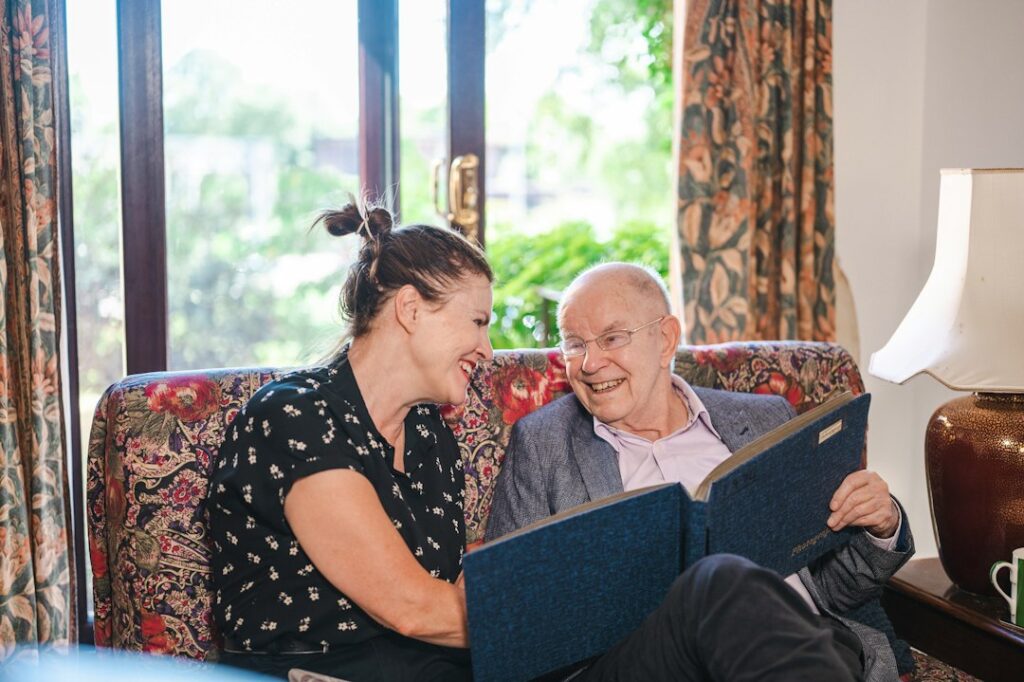
Assisted living is often described in ways that create confusion. Some people picture a nursing home, while others imagine a hotel with meals and housekeeping. The reality is more specific: assisted living is a residential setting for adults who need help or supervision with daily activities but may not require the continuous medical care provided by a nursing facility.
For families in Perkasie, understanding the differences can make care planning less stressful and help prevent decisions based on fear, assumptions, or incomplete information.
Is assisted living the same as a nursing home?
No. Assisted living and nursing homes serve different levels of need.
Assisted living generally provides housing, meals, personal care assistance, supervision, activities, medication support, and help with daily routines. Support may include bathing, dressing, toileting, walking, eating, laundry, transportation, and arranging health care.
A nursing home is designed for people who need more intensive, ongoing medical or rehabilitative care. That may include regular skilled nursing, complex treatment, recovery after a serious illness, or care for conditions that cannot be safely managed in a residential setting.
The boundary is not always permanent. A person may move from independent living to assisted living and later require nursing care. Some Pennsylvania assisted living residences can support higher needs through supplemental health services, but the specific services and limits vary by residence.
Does moving to assisted living mean giving up independence?
No. Assisted living is intended to provide support while preserving as much personal choice as safely possible.
Residents may still choose:
- What to wear
- When to participate in activities
- How to arrange personal space
- Which foods they prefer
- How to spend time with family and friends
- Which daily tasks they want to do independently
The purpose of assistance is not to take over every part of life. It is often to provide help with the tasks that have become difficult or unsafe. Someone who needs help getting into the shower may still be fully capable of choosing clothes, reading, visiting with others, or managing many personal decisions.
A move may also restore independence. An older adult who is no longer able to manage stairs, snow removal, cooking, or medication routines may have more freedom in a setting where those challenges are reduced.
Is assisted living only for people who are very frail?
No. People move to assisted living for many different reasons.
A person may be physically strong but have memory problems, balance concerns, vision loss, medication difficulties, or trouble managing meals and household responsibilities. Another person may be recovering from a health event and need temporary support while rebuilding strength.
In Perkasie, seasonal conditions can make certain risks more noticeable. Ice, snow, shortened daylight, and cold temperatures may make outdoor walking, driving, errands, and home maintenance more difficult for someone with balance or mobility concerns. These issues do not automatically mean a person needs nursing care, but they may signal that living alone has become harder to manage safely.
Does assisted living provide full-time medical care?
Usually, no. Assisted living is primarily a residential and personal-care setting, not a hospital or nursing facility.
Many residences can assist with medications, arrange medical appointments, coordinate outside services, and provide monitoring or emergency response. Some can arrange skilled nursing, physical therapy, hospice, behavioral health services, or home health services when appropriate.
However, a resident’s medical care may still involve outside clinicians and separate providers. Families should ask detailed questions about:
- Medication administration and supervision
- Care after a fall or hospital stay
- Physical therapy and nursing availability
- Diabetes management
- Oxygen or other medical equipment
- Wound care
- Emergency transportation
- Dementia-related supervision
- Conditions that may require a move to another level of care
The phrase “assisted living” does not guarantee the same services everywhere. The written description of services and resident agreement should be reviewed carefully.
Is every assisted living residence the same?
No. Size, layout, staffing, philosophy, activities, care limits, and fees can vary substantially.
Pennsylvania distinguishes between personal care homes and assisted living residences, although everyday conversation often uses the terms loosely. Both are licensed residential settings, but assisted living residences are generally structured to support greater self-direction and aging in place, with additional requirements related to services and living accommodations.

A residence may be a small home-like setting or a larger building with many apartments. Some have specialized memory-support areas. Others may be better suited to residents who need mobility assistance but remain cognitively independent.
A useful comparison focuses less on appearance and more on daily operations:
- How many staff members are present during evenings and overnight hours?
- What happens when a resident’s needs increase?
- Are staff trained to assist with transfers?
- How are changes in health reported to family members?
- Are additional services charged separately?
- What happens during power outages, severe storms, or other emergencies?
- Can residents keep familiar furniture, pets, or personal routines?
Does assisted living mean a person must have dementia?
No. Dementia is one reason someone may need assisted living, but it is not a requirement.
Residents may need assistance because of arthritis, stroke-related weakness, Parkinson’s disease, vision impairment, heart or lung conditions, repeated falls, or general difficulty with daily tasks. Some residents need physical assistance but have no significant memory impairment.
Memory-support services also differ. A residence may provide basic cognitive support, while another may have a secured area and specialized programming for people who wander or need closer supervision. Families should ask whether the residence can safely meet the person’s current needs and what changes would require a different setting.
Is assisted living paid for by Medicare or regular health insurance?
Generally, room, board, and personal care in assisted living are paid privately. Medicare usually does not cover the ongoing residential cost of assisted living. Health insurance may cover certain medical services, such as physician visits, therapy, or prescribed treatment, but not the full housing and care arrangement.
Some residents may qualify for limited public assistance or home- and community-based services, depending on eligibility and the type of support needed. Financial planning should account for the monthly base fee, care-level charges, medication services, transportation, supplies, and possible future increases.
A lower initial price does not always mean a lower overall cost if essential services are billed separately.
Does a move have to wait until there is an emergency?
No. Waiting for a fall, hospitalization, wandering incident, or medication crisis can leave families with fewer choices and less time to compare settings.
Early planning does not require an immediate move. It can simply involve discussing preferences, reviewing finances, identifying unsafe tasks, and learning which services are available. This is especially useful when an older home includes stairs, difficult-to-maintain outdoor areas, or rooms that become less comfortable during winter.
Signs that planning may be timely include repeated falls, missed medications, spoiled food, unpaid bills, driving concerns, social isolation, difficulty bathing, or growing dependence on one family member.
Does assisted living replace family involvement?
No. Family relationships remain important after a move.
Relatives may continue helping with personal items, appointments, paperwork, emotional support, advocacy, and familiar traditions. Staff can assist with daily care, but they do not replace the history and connection provided by family and friends.
The most accurate view of assisted living is neither “giving up” nor “moving into a hospital.” It is a residential option that may provide practical support, supervision, and safety while allowing a person to retain meaningful choices. The right setting depends on current needs, likely changes, personal preferences, finances, and the specific services available.
